Red Maple – Hardwood
Climb completed July 16, 2026
Red Maple and clean water. The state tree of Rhode Island.
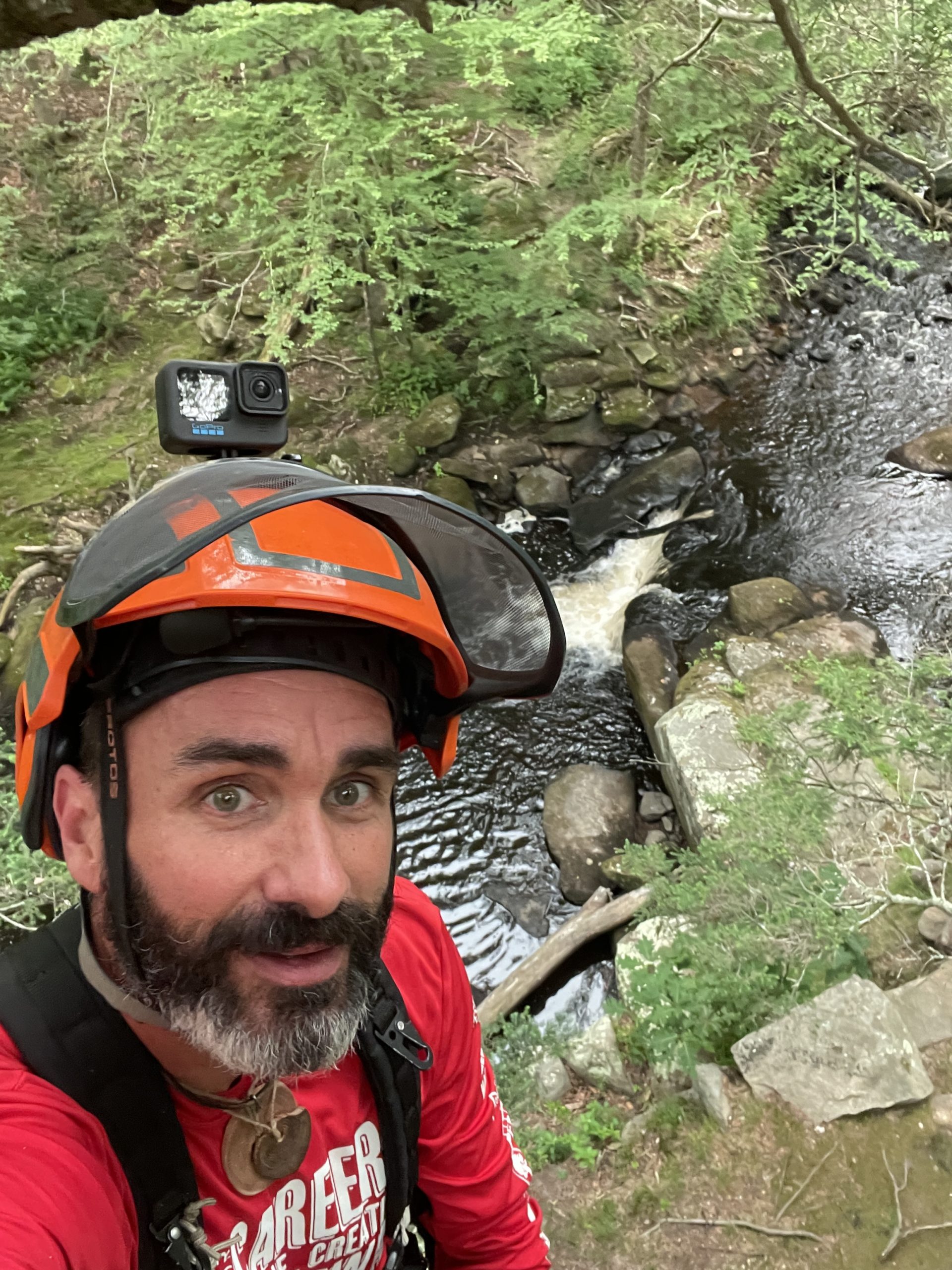
My 15th tree on my quest to climb the 50 state trees of the USA took me to the Big River Management Area in Rhode Island. The state created the 8,600-acre land reserve in the 1960s to build a giant reservoir. That dam was never built. The land remains a protected, open-space reserve for the entire state of Rhode Island’s future drinking needs.
Forests act as nature’s ultimate water filters and storage sponges. They capture rainfall, trap dirt, and absorb pollutants. This natural process creates clean, safe drinking water before it ever reaches a tap.
Tree roots act like tiny straws. They pull in water and hold soil tightly in place. This stops dirt and mud from washing into rivers.
Forest soil absorbs rainwater and melting snow much better than hard pavement or grass. This helps prevent flooding. The water that soaks into forest soil slowly travels deep underground. This refills aquifers (underground lakes), keeping our water supply steady during dry times.
Natural filtration by forests is much cheaper than cleaning dirty water at a man-made factory. For example, New York City saved over $6 billion by protecting the Catskill Mountains forest rather than building a new water treatment plant.
Protecting forests at the start of a river keeps the water safe for every town along the way. Over 50% of the drinking water in the United States starts in forests.
As for this state tree; Red Maple was chosen by a school teacher and his students in the late 1800’s. Dutch explorer Adriaen Block gave the island the name “Roodt Eylandt” in 1614, which translates to “red island”.
The students wanted to celebrate the vibrant red colors seen in Red Maples each fall with their selection of the state tree.