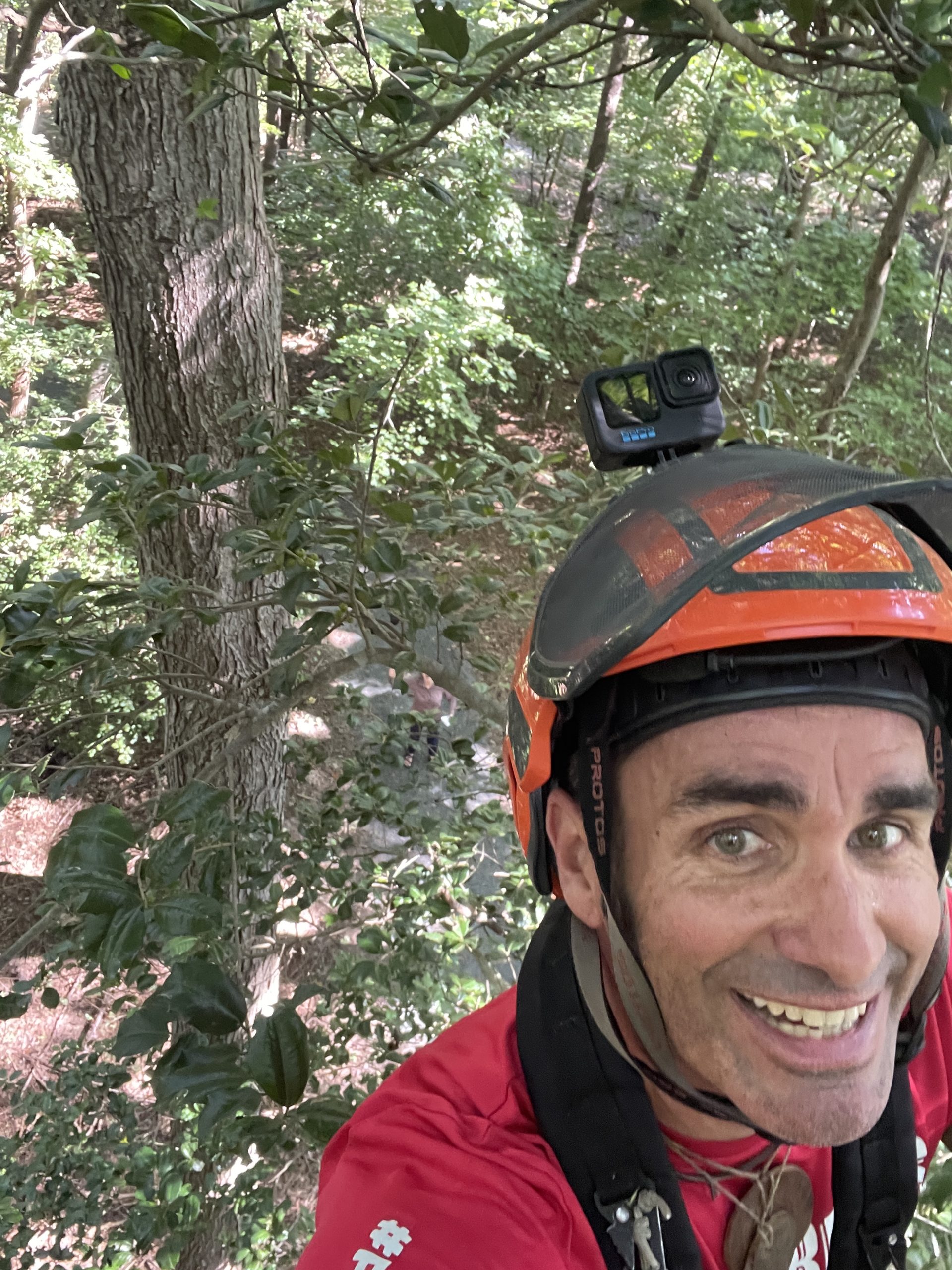
American Holly – Hardwood
Climb #16 of 50
Sept 6, 2026
Edward H. McCabe Nature Preserve Delaware.
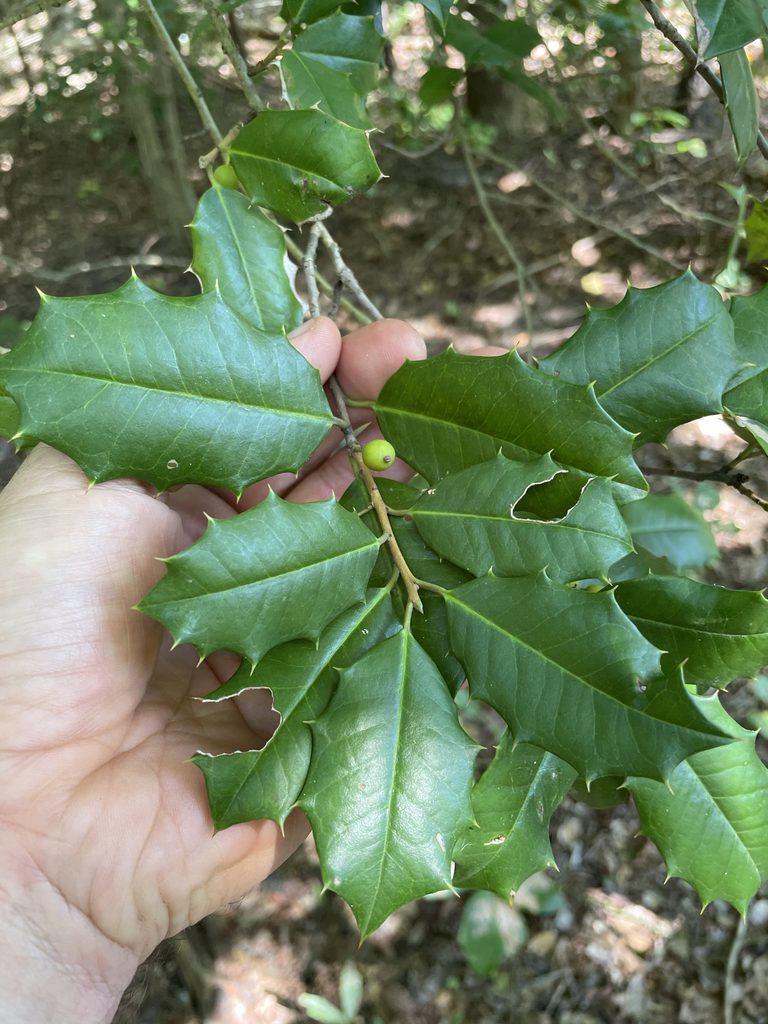
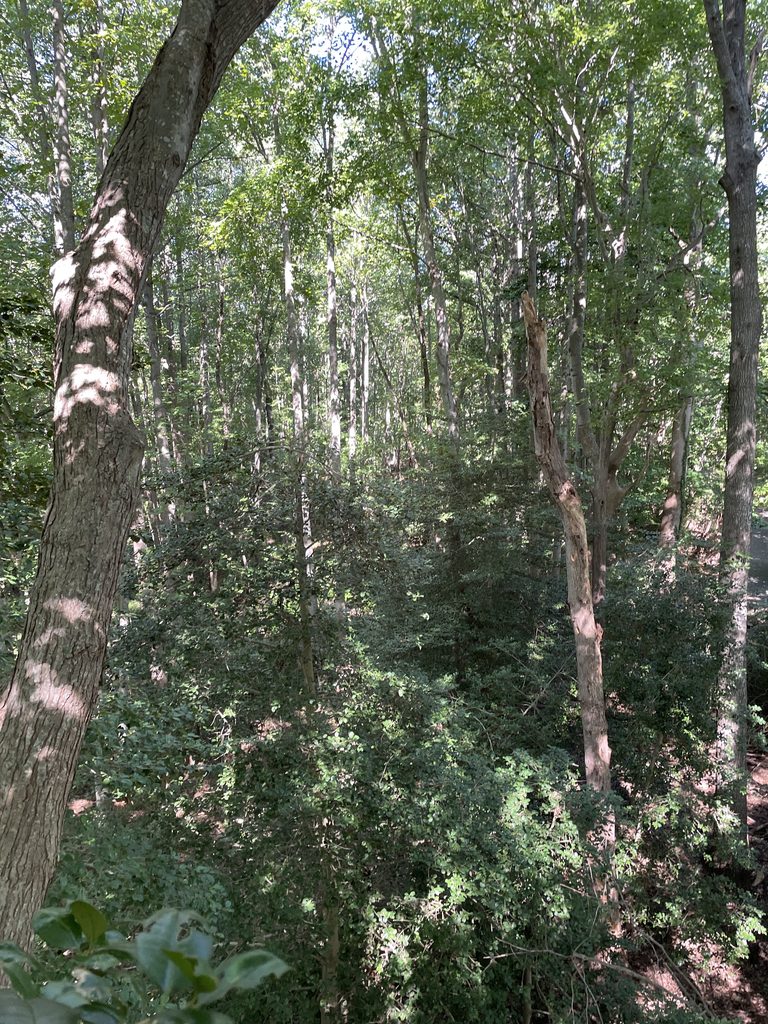
The state tree of Delaware is American Holly. Today I explored the Edward H McCabe preserve in Delaware. This forest was designated in the early 1990s and is managed by the Nature Conservancy of Delaware. The Forest features a great mix of both hardwoods and softwoods. White oak, Tulip, Poplar, Virginia, Pine, Loblolly Pine, and many others, but the real surprise was an under story consisting of predominantly Holly.
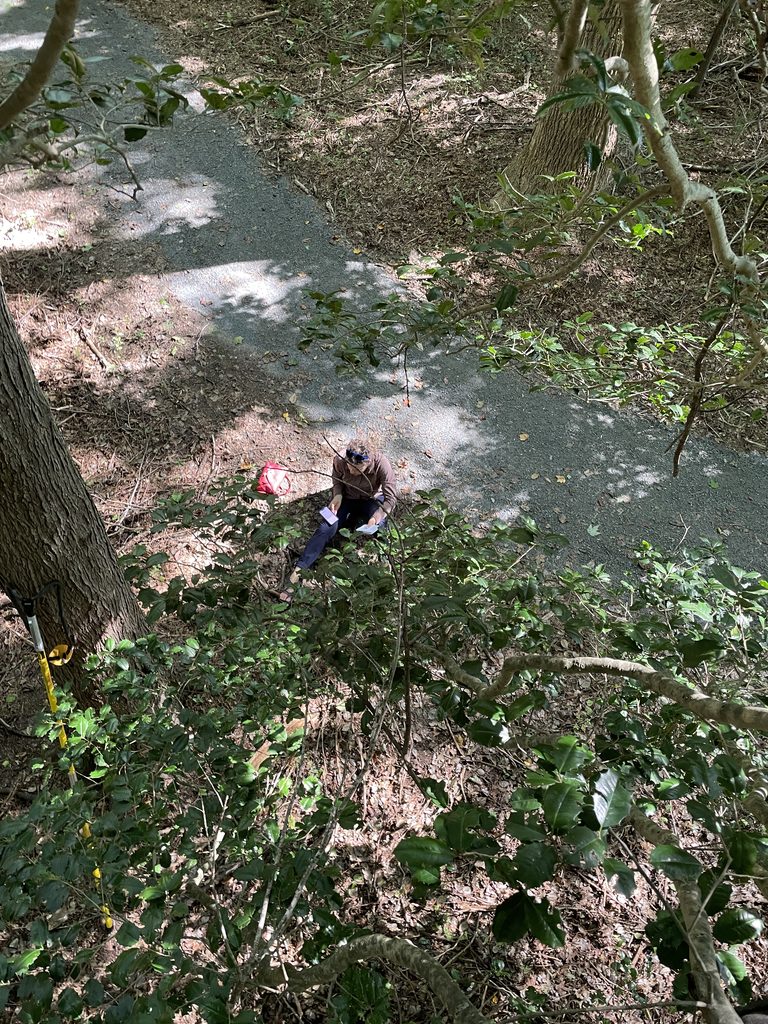
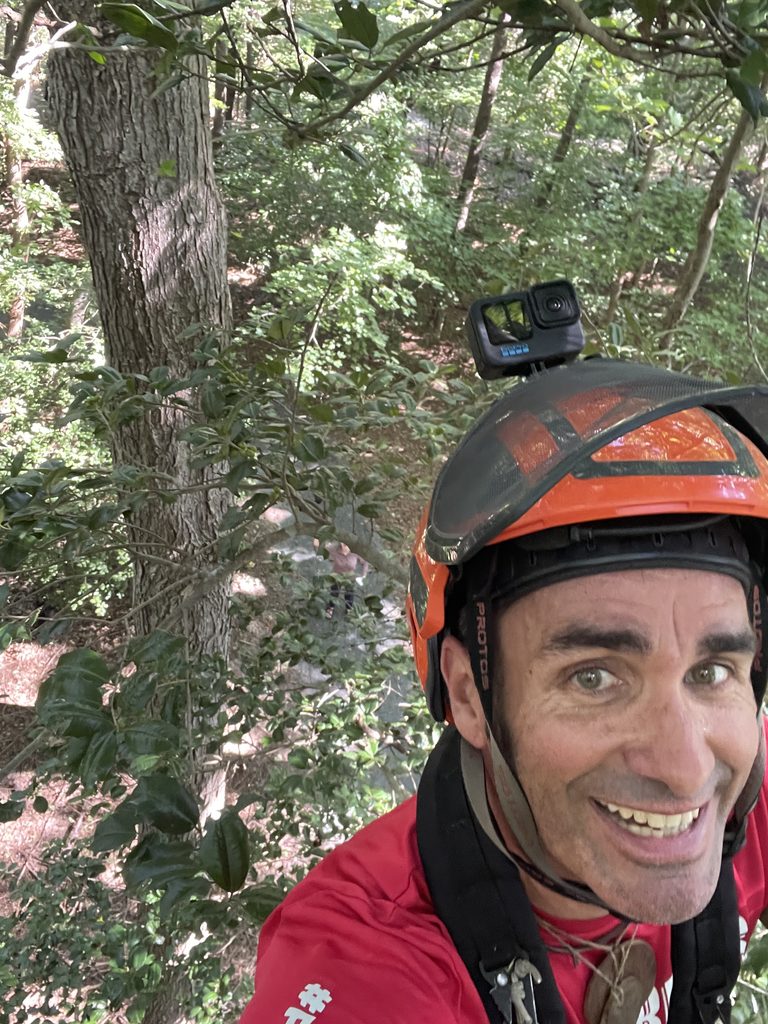
I was joined by journalist Ashley Stimson. She expressed interest in my project of climbing the state tree of all 50 states and asked if she could join me. I’m glad she did because she taught me quite a bit about the history of Holly in Delaware. This was the Christmas wreath capital of the country for a long period of time. And Holly was the forest resource that made it possible. People’s appetite for Holly became so great that a limit was put on the harvest starting about 100 years ago. I have also learned that the wood from American Holly is considered the lightest colored wood in North America. It is almost pure white. It is prized by woodworkers who do ornate inlay work. For example, chessboards and art work. I have been amazed at the size of some of the holly tree specimens here in Delaware.
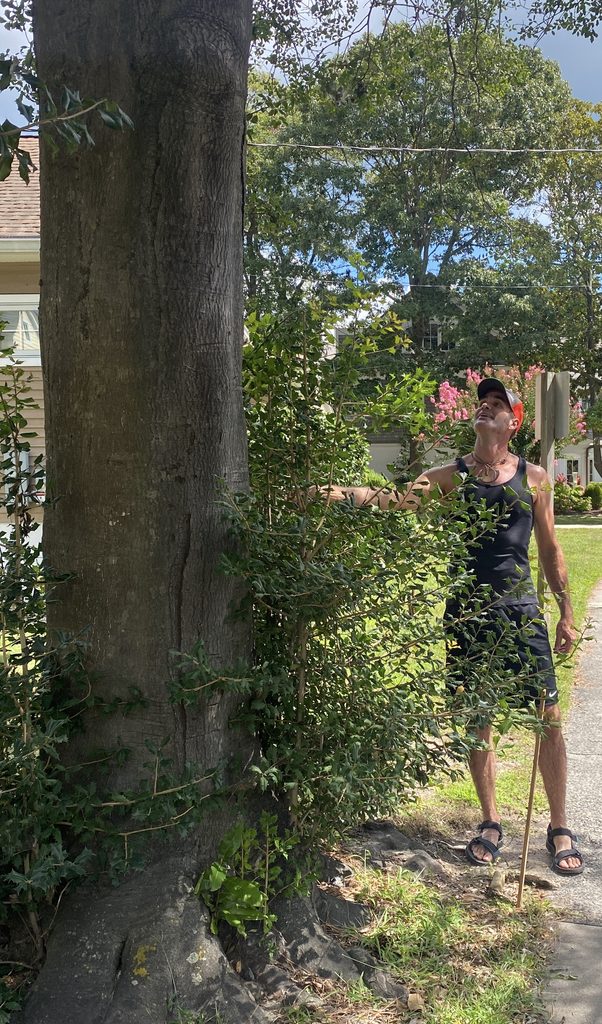
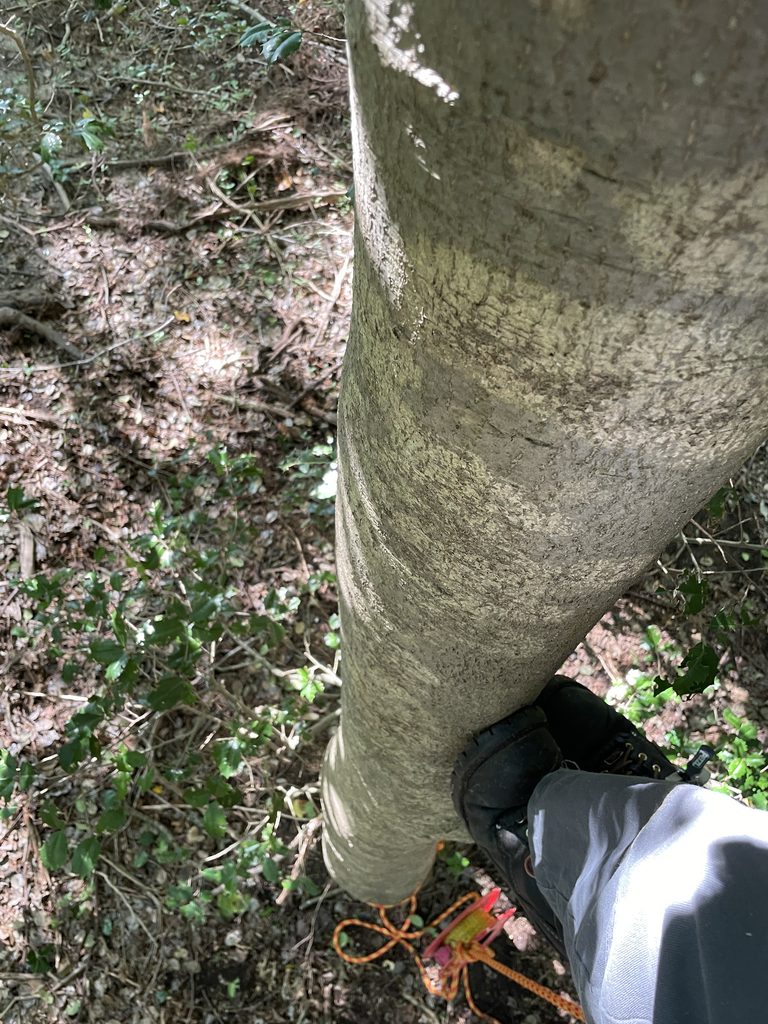
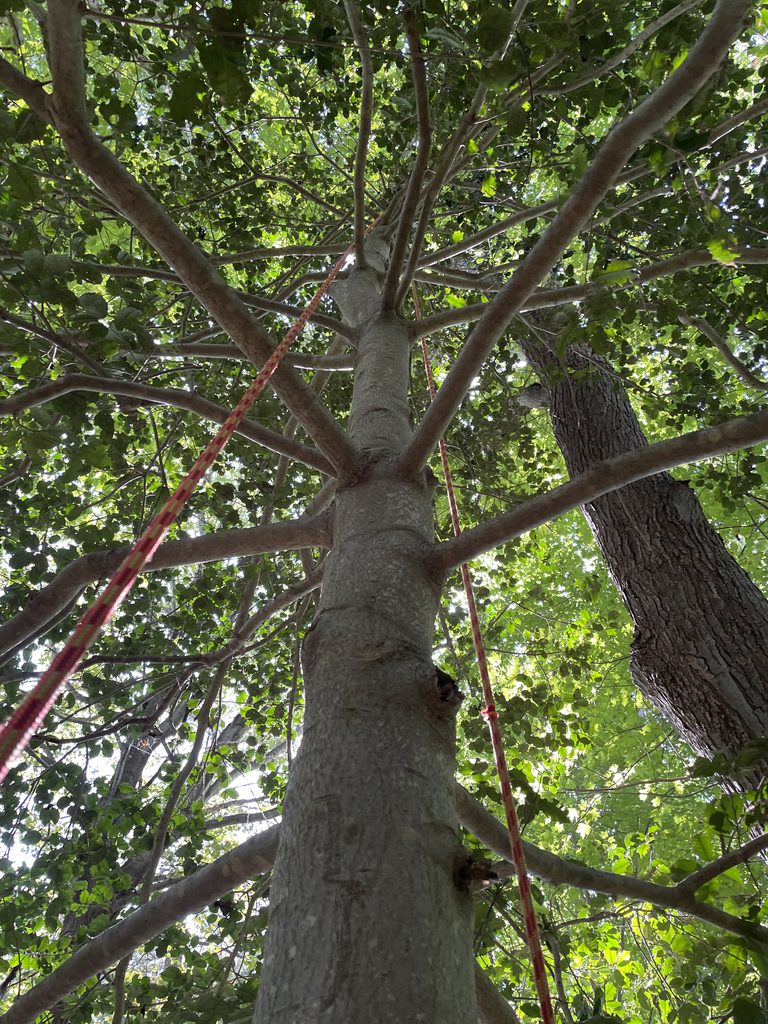
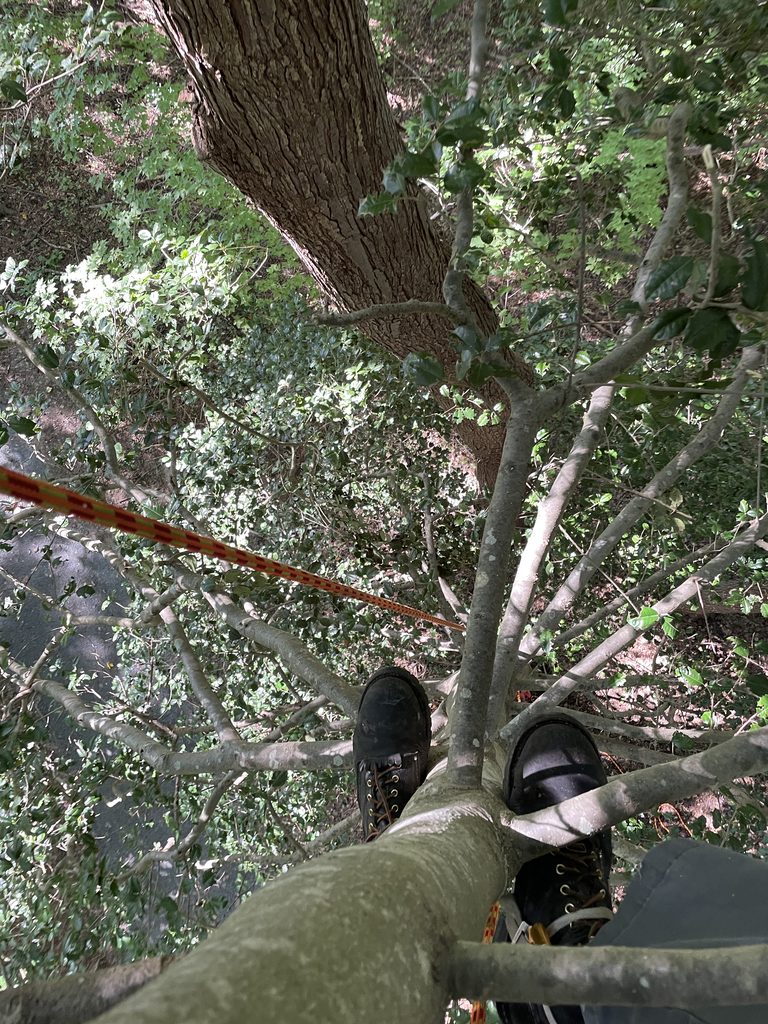
In Rehoboth, I encountered several that were well over 20 inches in diameter. In the McCabe Forest I selected a tree that was about 12 inches in diameter and climbed to the top. The tree was very sturdy and had a growth pattern that made for easy climbing with the branches. The Delaware wood products industry is split almost right down the middle between hardwood and soft wood production. American Holly is neither coniferous nor deciduous, but is rather classified as a broadleaf evergreen. Delaware’s forests are a result of thousands of years of management by indigenous foresters. The Nanticoke, Cannoy, and Lennox Lenape lived here for generations and managed the forest to create specific wildlife habitat for game as well as food from nuts and fruit for people. By the 1740s many of the Nanticoke people left this region and moved up the Susquehanna river very close to where I live and settled a town that still exists today called Nanticoke. I dedicate today’s climb to the Nanticoke people and their legacy of forest management.